Dashboard warning lights are a bit like uninvited dinner guests. They always seem to show up out of nowhere, they immediately make things uncomfortable, and they rarely leave without costing you a bit of time or money. Among the collection of symbols on your console, the traction control light is one that tends to cause a lot of neck-scratching. It usually looks like a tiny outline of a car with two squiggly skid marks trailing behind it.
When that little car icon illuminates, it is easy to wonder if your vehicle is about to slide right off the road. At our shop, we diagnose dashboard mysteries every single day. We want to clear up the confusion surrounding this specific warning right off the bat. Your traction control light does not mean your car is broken beyond repair, but it does mean a critical safety system has decided to take a temporary vacation. Let us look at what this feature actually does, why the light turns on, and how we fix it.
Blinking vs. Solid: The Crucial Difference
Before you start worrying about a repair bill, you need to observe how the light is behaving. The traction control system keeps a watchful eye on your tires to ensure they do not spin aimlessly on slick surfaces like rain, mud, gravel, or ice.
If you are driving through a heavy rainstorm or accelerating quickly on a patch of loose gravel, you might see the traction control light flash or blink for a few seconds. A blinking light is actually good news. It means the system is working exactly the way it was designed to. It detected that a tire was losing its grip, cut back on your engine power slightly, and pulsed the brakes to help the car regain traction. Once you are safely past the slick spot, the light will turn off on its own.
However, if the light pops on while you are cruising on perfectly dry, flat asphalt and stays lit like a solid beacon, the system has detected an internal error. To protect your vehicle from erratic behavior, the computer shuts down the traction control feature completely and keeps the light on to warn you that you are flying solo without a safety net.
The Most Common Reasons the Light Stays On
Because your traction control system works hand-in-hand with your anti-lock brakes, it relies on an interconnected web of electronics under your vehicle. If one single wire or sensor stops talking to the main computer, the whole system goes offline.
Here are the typical culprits we find when we plug our diagnostic tools into a vehicle showing a solid traction control light:
- A Failed Wheel Speed Sensor: Each of your four wheels has a magnetic sensor tracking how fast that specific tire is rotating. Because these sensors live right down in the wheel wells, they are exposed to constant water, road salt, mud, and intense heat. If a sensor gets blocked by debris or suffers an internal short circuit, the computer cannot tell if your tires are spinning or gripping.
- A Glitchy Steering Angle Sensor: Your car needs to know where you are trying to steer so it can keep the vehicle on your intended path. The steering angle sensor tracks the exact position of your steering wheel. If this sensor fails or loses its calibration, the traction control computer goes blind and deactivates itself.
- The ABS Module Is Struggling: The anti-lock brake system and traction control system share the exact same computer brain and hydraulic pump. If your ABS pump has an internal failure, or if your brake fluid reservoir drops too low, it will trigger both warning lights simultaneously.
- Low Battery Voltage: Modern automotive computers are incredibly sensitive to electrical drops. If your car battery is on its last legs or your alternator is failing to keep up with the electrical load, the traction control module may shut down simply because it isn't getting enough steady power to run its self-checks.
Is It Safe to Drive with the Light On?
The candid answer is that you can safely drive your car to a local repair shop on dry pavement, but you should not ignore it long-term. Your regular brakes, steering, and engine will continue to function normally.
The real danger comes when the weather changes. If you have a solid traction control light and you hit a patch of standing water on the highway, your car will not be able to automatically correct a slide or prevent hydroplaning. You are completely reliant on your own manual driving reflexes, which turns a minor slip into a potentially dangerous highway emergency.
How We Fix the Root Issue
Fixing a traction control issue requires a bit of digital detective work. Because the system is entirely electronic, you cannot diagnose it simply by looking under the hood.
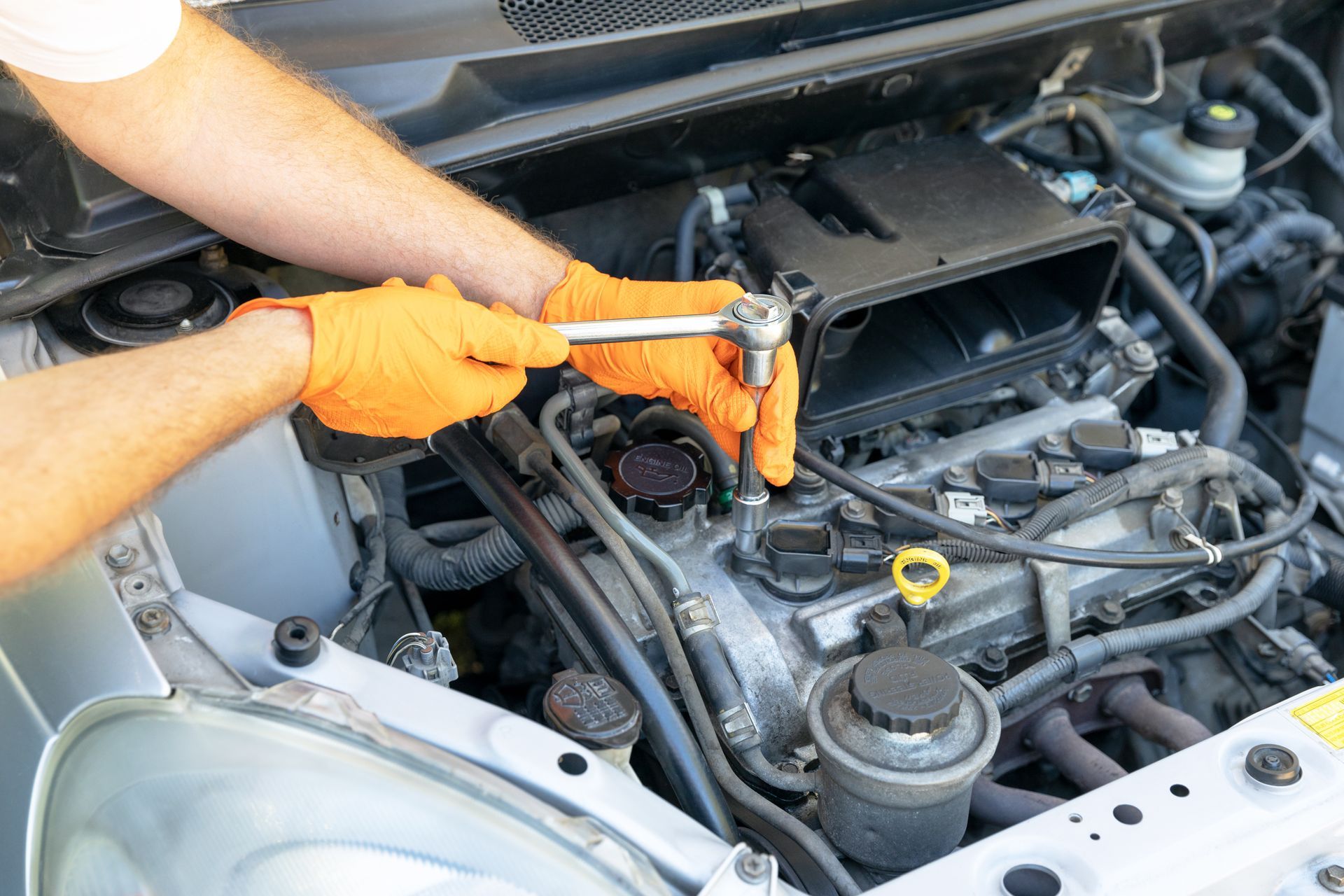
When you bring your vehicle to us, we connect a professional diagnostic scanner to your car to read the specific fault code stored in the computer's memory. This code gives us a clear map, pointing us to the exact sensor or circuit that is misbehaving. From there, we perform physical inspections, check the electrical wiring for hidden corrosion, clean away any built-up road grime, and replace the faulty hardware using high-quality parts that match factory specifications.
Is that squiggly car symbol currently lit up on your dashboard? Do not wait for a rainy day to find out how much you miss your traction control. Give
Pete's Service Center in Indianapolis, Indiana a call or schedule an appointment online today, and let our team get your vehicle's safety systems working perfectly again!