Smart cars made a strong first impression in American cities. Easy to park, quirky, and efficient. Yet the U.S. market never truly embraced the tiny two-seater. Mercedes-Benz ended new Smart sales here after a short run of the electric-only ForTwo, and many owners still ask us why.
From our service-bay view in Indianapolis, the reasons come down to demand, costs, and how Americans actually use their vehicles.
A Niche Car in a Big-Vehicle Country
U.S. buyers lean toward crossovers and trucks. Daily commutes often include highways, longer distances, and higher speeds. The ForTwo was brilliant at slipping into a tight space downtown, but its two-seat layout and limited cargo space made it a hard sell for families and road-trippers. When a vehicle fits only a narrow slice of needs, showroom traffic stays thin.
Sales Never Reached Sustainable Levels
Automakers keep models in a market when the volume supports dealer training, parts stocking, and marketing. Smart’s sales started novel, then tapered. Our technicians saw plenty of devoted owners, but the overall numbers were modest. Low volume makes every update and certification more expensive on a per-car basis, which pressures pricing and profit.
Regulations and Cost of Keeping It Current
- Bringing any model to the U.S. means meeting safety, emissions, and software requirements that can differ from those in other regions. Each refresh or engine change triggers more testing, parts revisions, and documentation. For a low-volume car, those costs add up quickly. Even the electric ForTwo, which removed the gasoline powertrain from the equation, still needed U.S.-specific certification and support that were tough to justify against its limited demand.
Shift Toward Electric, But Not the U.S. Lineup
Smart pivoted globally toward electric mobility. The move made sense for city use, but the U.S. rollout remained narrow. Range, charging access, and interstate speeds matter more here. A short-range city EV can be perfect for urban Europe yet feel constrained across American suburbs and freeways. Without a broader model mix to attract more buyers, the electric-only strategy did not unlock new volume in the U.S.
Price Per Use Case vs. Small Hybrids and Subcompacts
When shoppers compared a new Smart to efficient small cars or hybrids with four doors and real cargo room, the math leaned toward the bigger choices. Insurance, financing, and total ownership cost do not scale down as quickly as size. Many customers told us they loved the idea of a microcar, but the value equation pulled them back to a versatile compact or a small SUV.
What This Means if You Own One
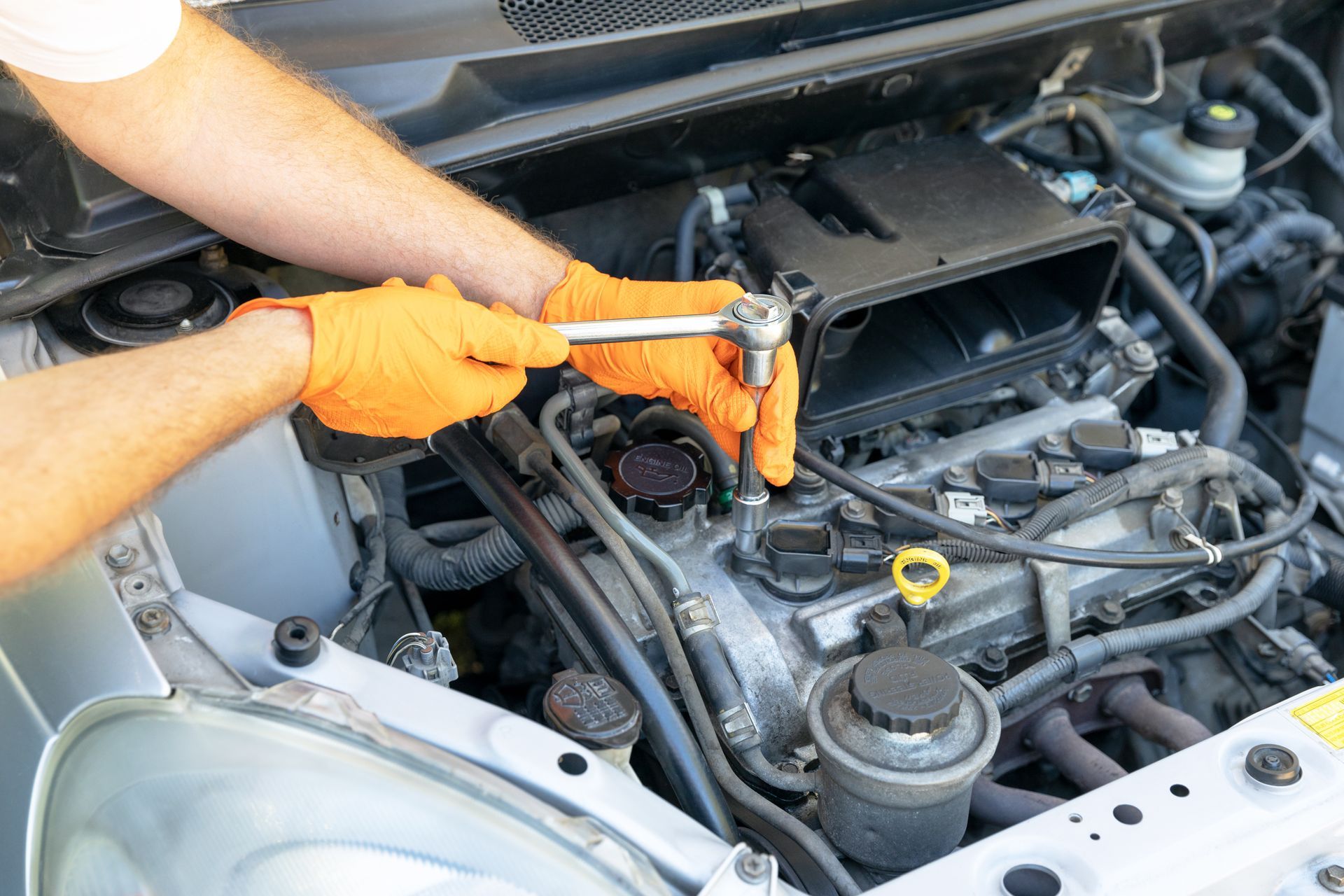
You can still service and enjoy a Smart. Parts are available through aftermarket suppliers and networks that specialize in European models. Our technicians handle routine care like brakes, tires, and suspension, plus EV-specific maintenance on the electric ForTwo.
Software diagnostics and key programming are supported through tools we keep on hand for European platforms. If you plan to keep yours long term, stay ahead on fluids, 12-volt battery health, and rubber components. Proactive care matters more when dealer networks shrink.
Our Take From the Service Side
We admired the Smart’s purpose-built design. In dense downtowns, it solved a real problem. But the broader U.S. market asked for more seats, more range, and highway comfort. When demand stays niche, support costs win the argument. That is why you do not see new Smarts at U.S. dealers today, even though the brand continues elsewhere.
Get Expert Smart Service in Indianapolis with Pete’s Service Center
If you drive a Smart and want it to stay reliable, our team in Indianapolis can help. We source the right parts, handle both routine maintenance and specialty repairs, and give straight advice if you are weighing a future replacement. Schedule a visit and keep your city car running its best.