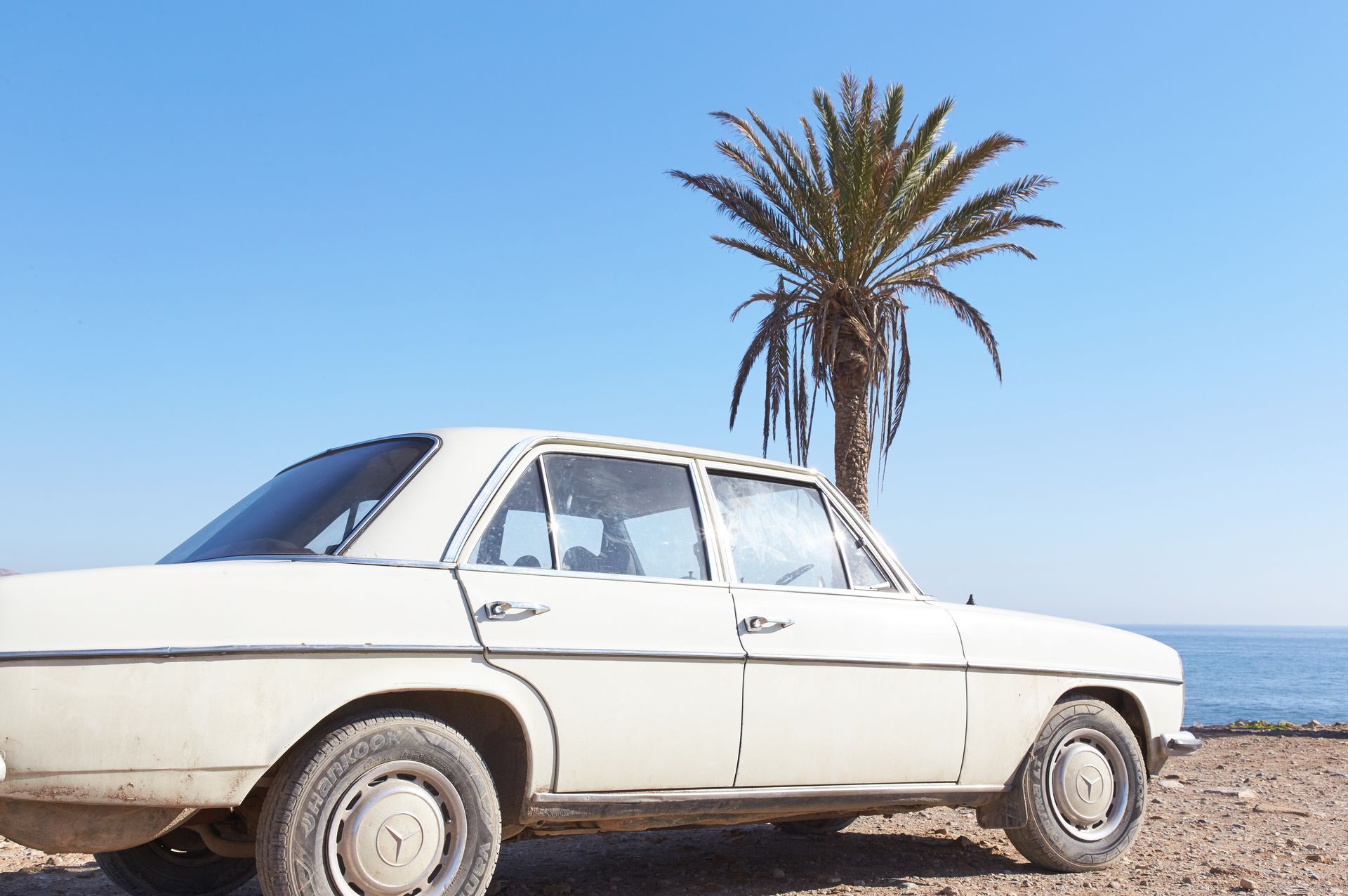
There is something different about a classic car. It might not be the fastest thing you own, but it feels special every time you turn the key. That is exactly why storage matters. When an older vehicle spends most of its time outside or sitting neglected in a corner of the garage, age catches up with it in ways that are expensive to reverse.
Why Classic Cars Benefit from Being Stored, Not Daily Driven
Most classics are no longer built to deal with today’s traffic, road salt, and year-round use. They often have thinner paint, older weatherstripping, and metal that was never treated with modern corrosion protection. Leaving them exposed all year is a quick way to fade the paint, dry out rubber, and invite rust into hidden seams.
Storing a classic does not mean it becomes a museum piece that never moves. It means you pick your moments. With proper storage, you can enjoy the car on good days and park it in a controlled environment the rest of the time. We have seen how much better a classic holds up when storage is part of the plan instead of an afterthought.
Protection From Weather, Rust, and Sun Damage
Moisture and sunlight do more harm to older vehicles than most people realize. Rain works its way into seams, under trim, and inside panels, where it sits and slowly starts corrosion. Snow and road chemicals are even harder on exposed metal. Ultraviolet light from the sun is rough on old paint, clear coat, and interior materials.
Good storage helps in three big ways. A dry environment keeps condensation off bare metal and electrical contacts. Consistent temperature swings are smaller, so materials expand and contract less. Keeping the car out of direct sun protects the paint, dash, seats, and vinyl from cracking and fading. Over time, those small differences add up to better panels, cleaner chrome, and an interior that still looks right when you open the door years from now.
How Proper Storage Helps Your Classic Run Better
Storage is not just about how the car looks, it affects how it runs. When a classic is parked in a controlled space, fuel and fluids tend to last longer, and rust is less likely to form inside exhaust and brake components. The battery can be maintained instead of repeatedly going dead and being jump-started.
With a proper storage routine, you can stabilize the fuel, keep the tires at the correct pressure, and hook up a quality battery maintainer instead of letting everything go flat. Our technicians have brought plenty of classics out of storage that fired up cleanly because their owners followed a simple routine. The engines in those cars usually need far less catch-up work than those that sat neglected in damp conditions.
Security, Insurance, and Peace of Mind
Many classic cars are difficult or impossible to replace. Storing them in a secure space lowers the risk of theft, vandalism, or accidental damage. A locked building with limited access, alarms, and cameras is a very different environment from a driveway or open lot.
There are insurance benefits too. Some policies expect the vehicle to be stored indoors, or they offer better terms when it is. A documented storage arrangement can support an agreed value policy and help if you ever need to prove that you take proper care of the car. Knowing the vehicle is protected when you are out of town or busy with other things also takes a lot of stress out of ownership.
Owner Mistakes to Avoid When Parking a Classic Long Term
Plenty of classic car problems start with risky storage habits. A few to avoid are:
- Parking for months on old, underinflated tires that develop flat spots
- Leaving the parking brake applied the entire time, which can cause shoes or pads to seize
- Letting the fuel tank sit nearly empty, which invites condensation and rust
- Covering the car with a plastic tarp that traps moisture against the paint
- Skipping any start ups or inspections for an entire season, then expecting it to drive like it did in the fall
We have seen classics arrive on a tow truck in the spring with stuck brakes, stale fuel, and dead batteries that could have been avoided with a better plan.
Simple Checklist Before You Put a Classic into Storage
A few careful steps before storage can make the next driving season much easier. A basic checklist looks like this:
- Change the oil and filter so the engine does not sit with contaminated oil.
- Top up the fuel tank and add a quality stabilizer, then run the engine briefly to pull it into the system.
- Inflate the tires to the upper end of their normal range, or use quality stands or pads to reduce flat spotting.
- Clean the car inside and out to remove dirt, road film, and food crumbs that attract moisture and pests.
- Connect a proper battery maintainer or, if preferred, disconnect and remove the battery to store in a safe place.
Once the car is parked, it helps to walk around it occasionally, look for any signs of leaks, and, when possible, roll it slightly to change the tire contact patch. Small habits like these help your classic come back to life smoothly when you are ready to drive it again.
Get Classic Car Storage in Indianapolis, IN with Pete's Service Center
If you want your classic to stay solid, reliable, and presentable for years, the right storage is one of the smartest investments you can make. We can help you prepare the vehicle, discuss storage options, and set up a routine that protects both its value and your enjoyment.
Schedule classic car storage in Indianapolis, IN with
Pete's Service Center, and give your collector car a safe, proper place to rest between drives.