A rough idle that only shows up after the engine warms up can feel confusing. The car starts fine, settles down, and drives normally for a while. Then, once the temperature gauge returns to its normal position, the engine begins to shake, stumble, or feel uneven at stops.
That timing is a useful clue. Engines change how they run as they warm up. The computer adjusts fuel, idle speed, emissions controls, and sensor inputs once the engine reaches operating temperature. If one part is dirty, weak, leaking, or sending bad information, the rough idle may not appear until the system changes modes.
The Engine Runs Differently Once Warm
When the engine is first started, the computer uses a richer fuel mixture and a different idle strategy to help it run at low temperatures. As the engine warms, it leans the fuel mixture, lowers idle speed, and begins relying more heavily on oxygen sensors and other live readings.
That shift can reveal problems that were hidden during startup. A small air leak, a dirty throttle body, a weak sensor, a sticking valve, or a fuel delivery issue can feel worse after the computer stops using its warm-up strategy. That is why the timing of the symptom should be taken seriously.
Vacuum Leaks Can Show Up At Warm Idle
A vacuum leak allows extra air into the engine where it does not belong. When the engine is warm and the idle speed drops, that extra air can throw off the air-fuel mixture enough to cause shaking, surging, or stalling.
Vacuum leaks can come from cracked hoses, intake gaskets, PCV hoses, brake booster hoses, or loose fittings. Some leaks get worse as the rubber softens with heat. Others are small enough that they only cause trouble at idle, when the engine has less airflow and less room to adjust.
Dirty Throttle Body Or Idle Control Problems
The throttle body controls airflow into the engine. Over time, carbon and grime can build up around the throttle plate. When the opening gets dirty, airflow at idle can become inconsistent. The engine may dip, surge, or feel like it is about to stall at red lights.
Some vehicles also use an idle air control valve or electronic throttle control to manage idle speed. If those parts are dirty, sticking, or not responding correctly, the idle can become unstable after the engine warms up. Cleaning or relearning procedures may be needed, depending on the vehicle.
Sensors Can Change The Fuel Mixture
Warm idle problems can point toward sensors that influence fuel control. Oxygen sensors, mass airflow sensors, coolant temperature sensors, intake air temperature sensors, and manifold pressure sensors all help the computer decide how much fuel to add.
A sensor does not have to fail to cause trouble. It can read slightly wrong and still keep the car running. The result might be a lean condition, a rich condition, poor idle quality, or a check engine light. Live data helps show whether the sensor readings match what the engine is actually doing.
Ignition Parts Can Break Down With Heat
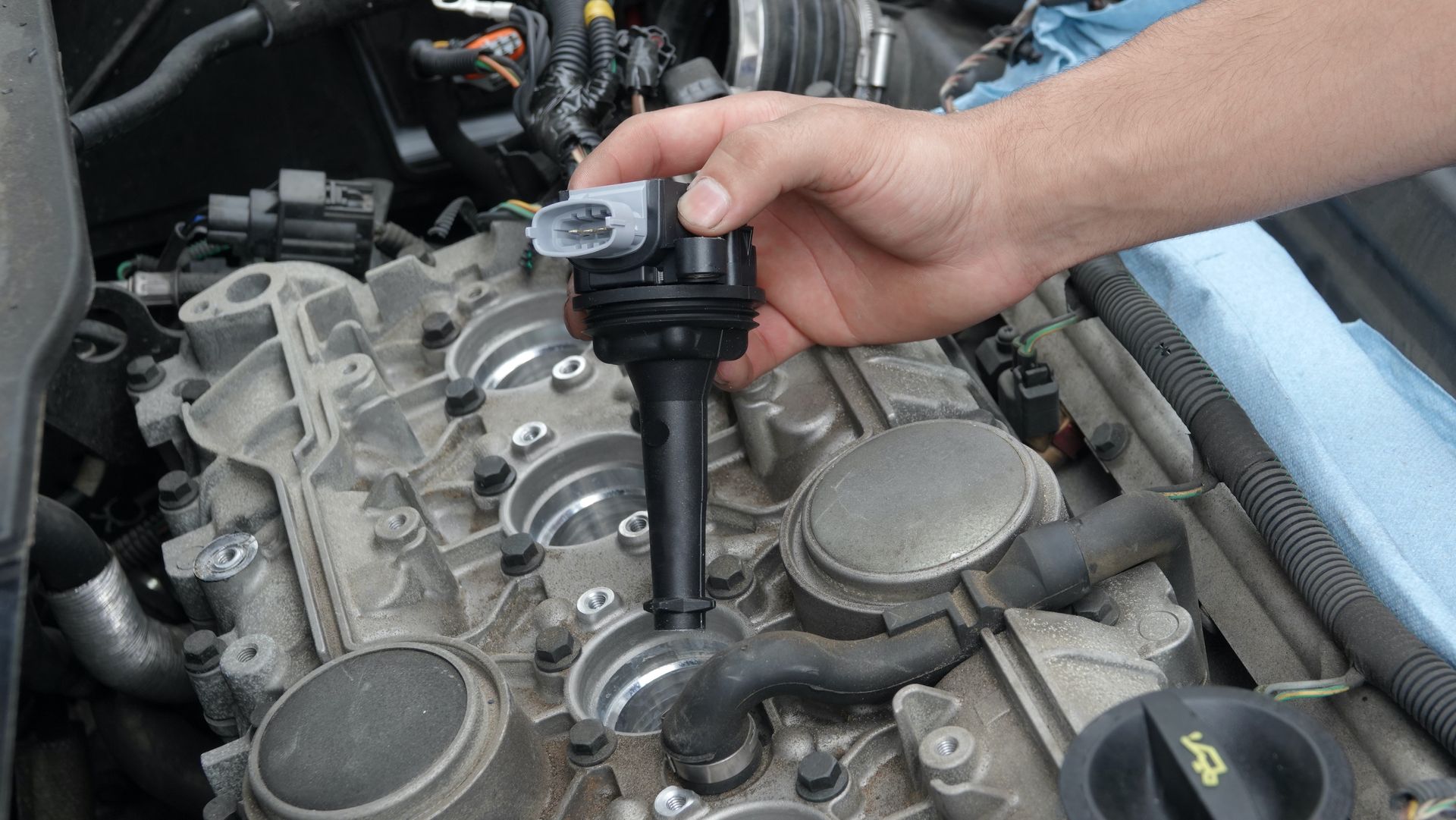
Spark plugs, ignition coils, and wires on older systems can act differently when hot. A coil can work well when the engine is cooler, but then it misfires once heat builds under the hood. That misfire can feel like a shake at idle, a stumble when pulling away, or a small buck under light acceleration.
A warm misfire should be checked before it damages other parts. Unburned fuel can stress the catalytic converter, and repeated misfires can worsen engine performance over time. Regular maintenance helps reduce this risk, especially when spark plugs are replaced on schedule.
Fuel Or Air Problems Can Be Hard To Feel While Driving
Some issues are most noticeable at idle because the engine is running with very little throttle input. A partly clogged injector, weak fuel pressure, dirty mass airflow sensor, or small intake leak may not feel obvious at highway speed. At a stop, though, the engine has less margin to hide the problem.
That is why drivers sometimes say the car drives fine, but shakes at lights. The engine is still making enough power while moving, but idle control is no longer steady. A road test, scan data review, fuel trim check, and visual inspection can help narrow the cause.
Emissions Parts Can Affect Idle Quality
Parts in the emissions system can also cause warm idle trouble. A stuck-open EGR valve can let exhaust gases enter the intake at the wrong time. A purge valve that leaks can draw fuel vapors into the engine when it should not. Either problem can make the engine stumble or idle unevenly.
These issues can be easy to miss because the vehicle may not always set a clear code right away. The rough idle may come and go depending on temperature, fuel level, driving pattern, or how long the vehicle sits. Testing the system is better than replacing parts based only on the symptom.
Get Rough Idle Repair In Indianapolis, IN, With Pete's Service Center
If your car idles roughly only after the engine warms up, Pete's Service Center in Indianapolis, IN, can check for vacuum leaks, sensor problems, ignition issues, throttle body buildup, fuel concerns, and emissions system faults.
For a clear diagnostic and the right rough idle repair, contact us to schedule an appointment.