A rough start can make a car feel older than it is. You turn the key, the engine cranks a little longer, stumbles for a few seconds, then finally settles down. Add weaker fuel economy to the mix, and it is easy to wonder if the car just needs a tune-up.
Sometimes it does.
Sometimes the engine is asking for spark plugs, filters, cleaning, or basic service. Other times, the tune-up idea is only the starting point, and the real problem is a sensor issue, fuel problem, vacuum leak, or battery concern hiding behind the same symptoms.
What A Modern Tune Up Really Means
Older tune-ups were more mechanical. Spark plugs, wires, distributor parts, carburetor adjustments, and timing checks were common. Modern engines do not usually need the same kind of adjustment, but they still need maintenance to keep the spark, air, fuel, and engine data working correctly.
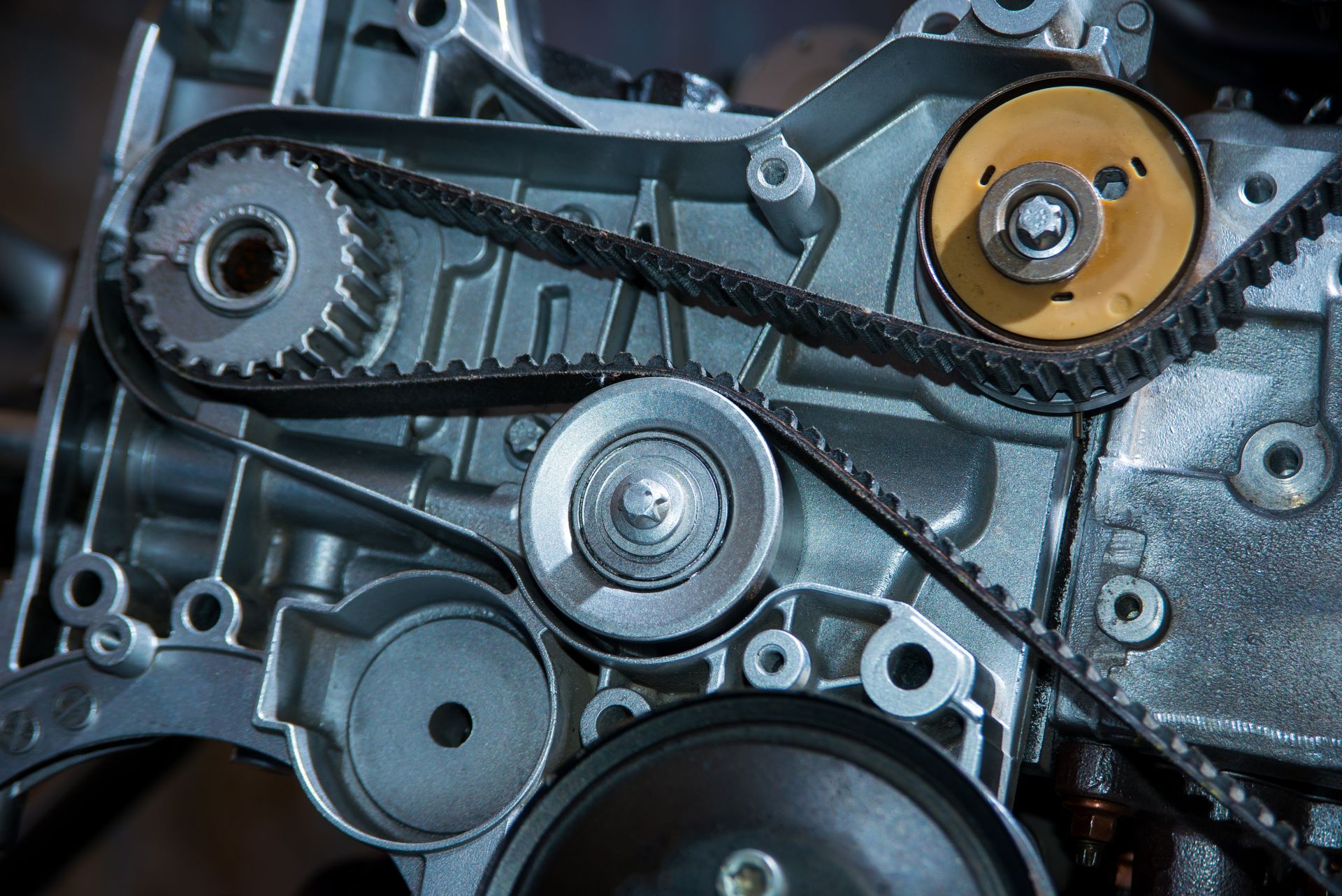
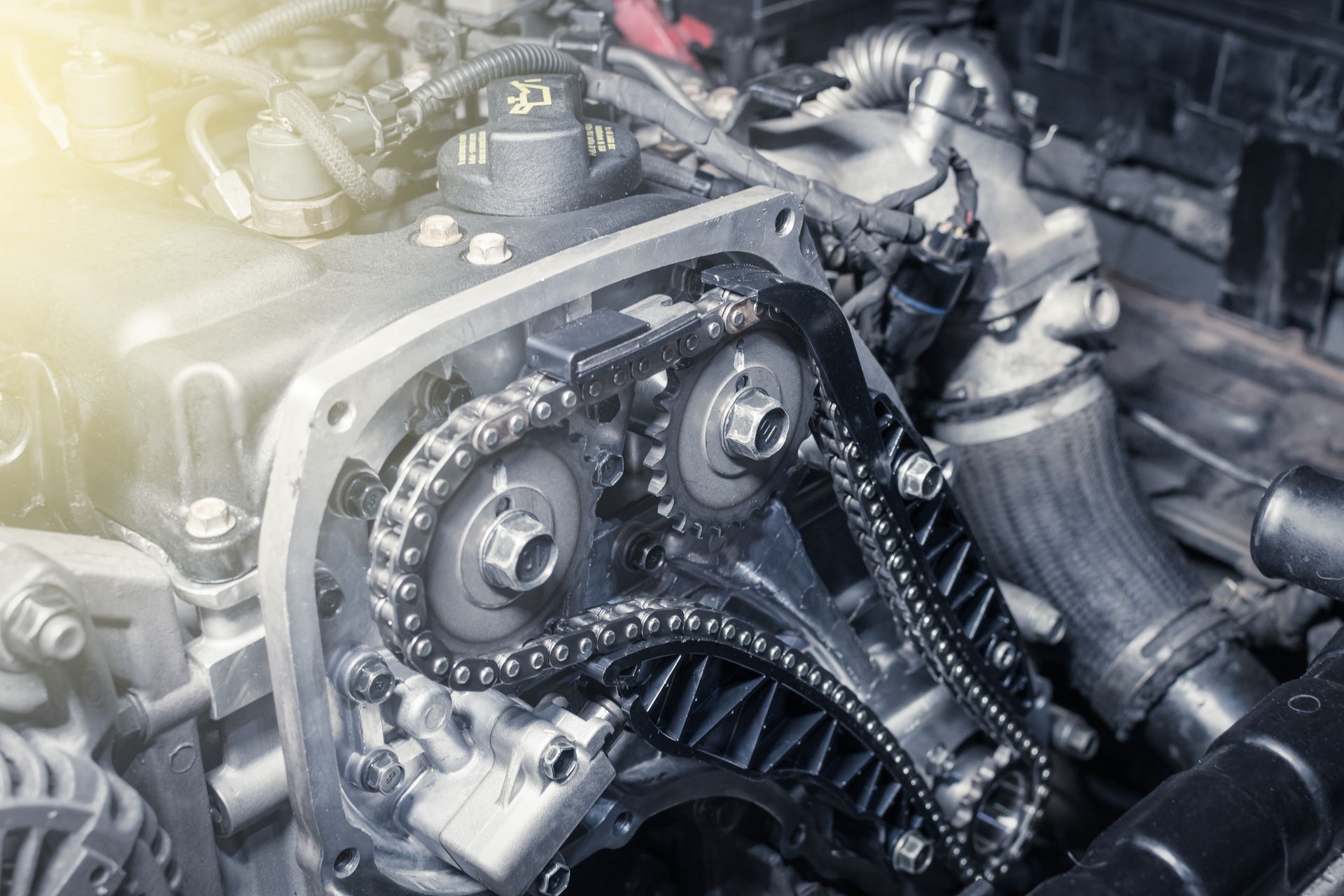
A modern tune-up often includes checking spark plugs, ignition coils, air filters, fuel system behavior, throttle body condition, belts, hoses, fluid levels, and scan data. It is less about twisting a screw and more about bringing the engine back to a known-good baseline.
That baseline matters when the car starts rough or loses fuel economy.
Why Rough Starts Happen
A rough start means the engine is struggling during the first few moments after it turns over. The cause can be simple, like worn spark plugs or a dirty air filter. It can also be caused by low fuel pressure, a weak battery, dirty injectors, a leaking vacuum hose, carbon buildup, or a sensor reporting the wrong temperature.
Cold starts give useful clues. If the engine only stumbles in the morning, that points in a different direction than a car that starts rough every time. If the problem is worse after the car sits overnight, fuel pressure bleed-down or a small internal leak may be part of the discussion.
Our technicians listen to those details because the timing of the symptom can save unnecessary testing.
How Fuel Economy Starts Slipping
Poor fuel economy does not always drop overnight. Sometimes it fades slowly enough that you only notice when you are filling up more often. A few miles per gallon lost here and there can come from worn plugs, dirty filters, low tire pressure, poor alignment, fuel mixture problems, or extra drag from a brake that is not releasing fully.
The engine side is only one part of the story. If the engine is not burning fuel cleanly, the computer may add or subtract fuel to compensate. If the tires are low or the brakes are dragging, the engine has to work harder even if it is running fine.
That is why a good tune-up visit should not ignore the rest of the vehicle.
Spark Plugs Are important
Spark plugs are still among the first places to check when a car starts rough, idles unevenly, or uses more fuel. As plugs wear, the gap changes, and the spark can weaken. The engine may still run, but it may need more effort to fire cleanly under load or during startup.
Old plugs can also stress ignition coils. A coil that worked fine with a fresh plug may struggle when the plug is worn. That can lead to misfires, hesitation, and a check engine light.
If the plugs are overdue, replacing them with the correct type can make a noticeable difference. If the plugs are oil-soaked, fuel-fouled, or worn unevenly, they are also telling us there may be another problem to find.
Airflow And Sensor Checks Are Part Of The Job
Engines need clean, measured airflow. A dirty air filter, a cracked intake hose, a vacuum leak, a dirty throttle body, or an inaccurate mass airflow sensor can all affect how the engine starts and how much fuel it uses.
A coolant temperature sensor can also cause trouble if it reports the engine as colder or hotter than it really is. The computer may choose the wrong fuel strategy, and the driver may only notice rough starts, poor fuel economy, or light hesitation.
We check scan data, fuel trims, and airflow readings during an inspection when the symptoms point that way. The goal is not to replace parts because they are common. It is to see what the engine is actually reporting.
When A Tune Up Is Not The Full Fix
A tune-up can help when the issue is tied to worn maintenance parts. It will not fix low compression, a failing fuel pump, a leaking injector, a bad sensor circuit, or a large vacuum leak by itself.
That distinction matters. Replacing spark plugs on an engine with low fuel pressure may not change much. Cleaning a throttle body will not fix a weak battery that causes slow cranking. A new air filter will not repair a brake caliper that is dragging and hurting fuel economy.
Regular maintenance keeps many problems from getting that far, but testing still matters when symptoms are already present.
Get Engine Tune-Up Service In Indianapolis, IN, With Pete's Service Center
If your car starts rough, idles unevenly, uses more fuel, or feels less responsive than it used to, Pete's Service Center in Indianapolis, IN, can check the ignition, airflow, fuel, and engine data to see whether a tune-up is the right fix.
Schedule a visit and get the engine checked before a rough start becomes part of your daily routine.