Winter driving problems often begin with an ordinary habit that works poorly on a slippery road. Following too closely, rushing a turn, or leaving a thin film of frost on the windshield reduces your reaction time.
Preparing the car helps, and changing how you drive completes the job. Indianapolis weather can leave you dealing with snow, refrozen moisture, and changing visibility in the same trip. These 7 mistakes are worth correcting before the next winter commute.
Winter Driving Mistake 1: Keeping Your Dry-Road Speed
The posted speed limit doesn't describe the grip available on a snowy street. A vehicle can feel settled while moving straight and then struggle as soon as you brake or turn. Slow down before intersections, curves, and wet-looking areas near freezing temperatures.
Allow extra travel time so a delay doesn't push you into rushing. The car ahead might stop unexpectedly, and ice can appear where the rest of the route was clear. A lower speed gives you more time to recognize the change and reduces the demand on the tires.
Bridges, shaded areas, and untreated side streets deserve particular attention. Look beyond the vehicle immediately ahead and make early, gentle adjustments. Waiting until the last moment leaves fewer useful options.
Winter Driving Mistake 2: Following Too Closely
Stopping distance grows as traction falls. A gap that seems comfortable on dry pavement can be far too short on packed snow or ice. Increase the interval behind the vehicle ahead and keep adding space as conditions worsen.
Use a fixed roadside object to judge the gap in seconds. Start counting when the vehicle ahead passes it and stop when you reach it. Winter conditions need substantially more room than a normal dry-road interval, with even more space downhill or on ice. If another driver moves into the gap, ease back smoothly and rebuild it.
Winter Driving Mistake 3: Making Sudden Steering or Pedal Inputs
Hard acceleration, abrupt braking, and sharp steering changes ask the tires to produce grip quickly. On a slippery surface, that request can exceed what they have. Smooth inputs keep the vehicle easier to manage.
Slow before a curve so most braking is completed while traveling straight. Accelerate gently as you leave it. Avoid large steering corrections if the car feels unsettled, and follow the handling instructions for your vehicle.
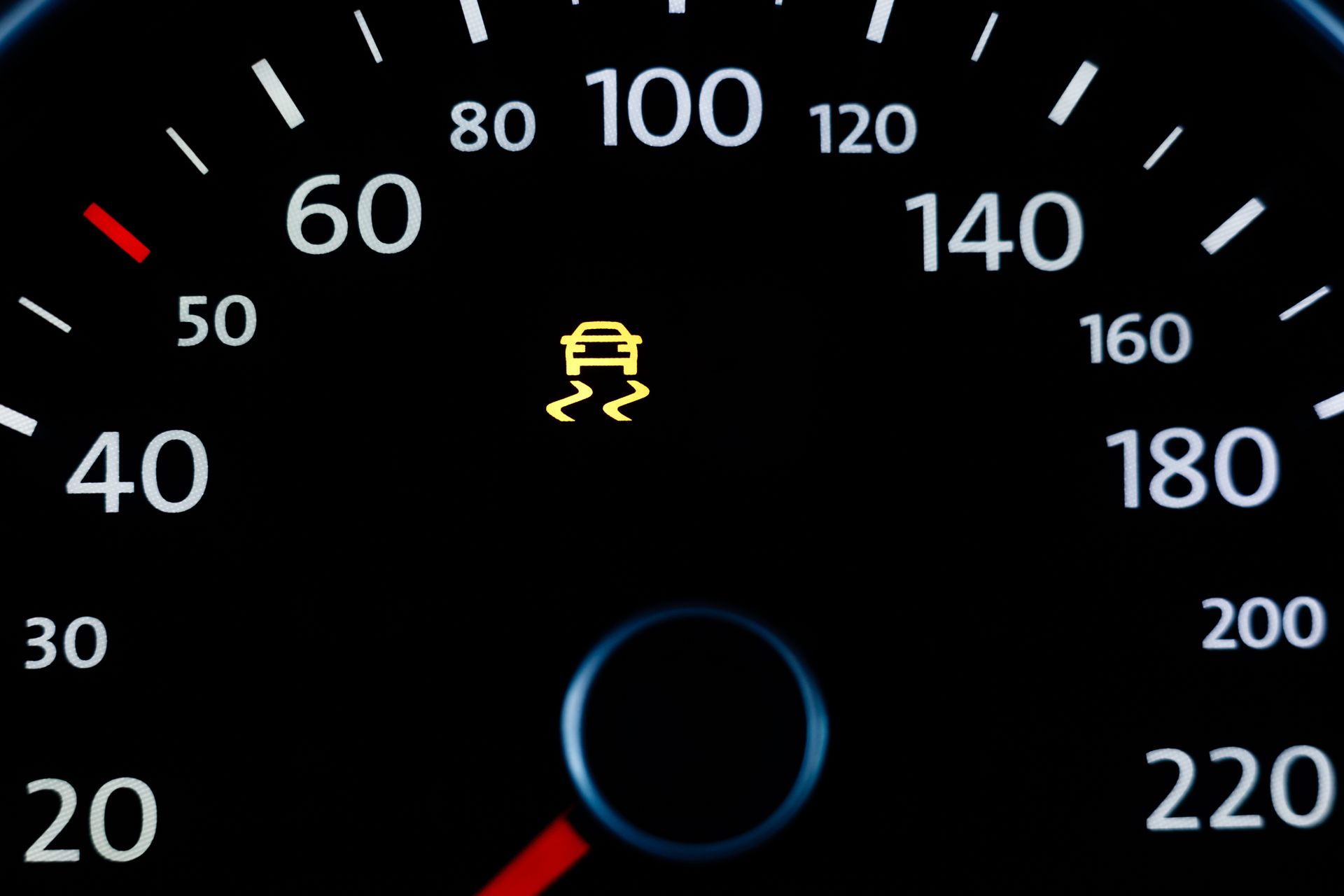
With functioning ABS during an emergency stop, maintain firm, steady brake pressure. Pulsing through the pedal is expected while the system works. Understanding that sensation beforehand helps you avoid releasing the brakes when you need them.
Winter Driving Mistake 4: Using Cruise Control on Slippery Roads
Cruise control is convenient on a clear highway. Snow and ice call for direct attention to throttle use and changing traction. Keep cruise control off when the road is slippery, including during freezing rain or on a route with patchy ice.
Adaptive cruise control also has operating limits. Its ability to track another vehicle doesn't give your tires more braking grip. Leave enough space to react yourself and follow the system's instructions when weather affects its sensors.
Winter Driving Mistake 5: Clearing Only a Small Window Area
A small opening through the frost leaves much of your view blocked. Clear the entire windshield, side windows, mirrors, and rear glass before moving. Remove snow from the roof and hood so it doesn't slide into your view or blow onto traffic behind you.
Visibility checks should also cover:
- Clean, unobstructed headlights and taillights
- Wiper blades that clear the glass evenly
- Washer fluid rated for expected temperatures
- A working windshield defroster
- Clear camera and sensor areas where fitted
If the glass keeps fogging inside, use the defroster and fresh-air setting as directed. Stop safely if you can't maintain a clear view. Looking through a narrow patch turns a manageable road situation into a much harder one.
Winter Driving Mistake 6: Relying on AWD Instead of Tire Grip
All-wheel drive helps the vehicle use available traction when accelerating. That makes pulling away feel reassuring, even when stopping and turning remain difficult. Braking grip still comes from the tires and surface beneath them.
Inspect tread, age, damage, and cold inflation pressures. Worn tires or summer tires used in unsuitable cold conditions reduce the traction available. A matched set suited to the weather helps the vehicle's systems work as intended.
If the car pulls, vibrates, or feels unstable, arrange a check before the next snowfall. Tire condition, alignment, brakes, and suspension all influence its response. Familiar handling on a dry road is useful background for finding a change.
Winter Driving Mistake 7: Ignoring Weather and Road Updates
A clear driveway doesn't tell you what lies along the whole route. Check the forecast and current road conditions before you leave. Freezing rain, blowing snow, and sudden loss of visibility can change whether the trip is sensible at all.
Keep a winter kit, suitable clothing, and enough fuel or charge for a delay. Plan a route with options to stop safely. If conditions deteriorate, delaying travel is often the most effective way to avoid a crash.
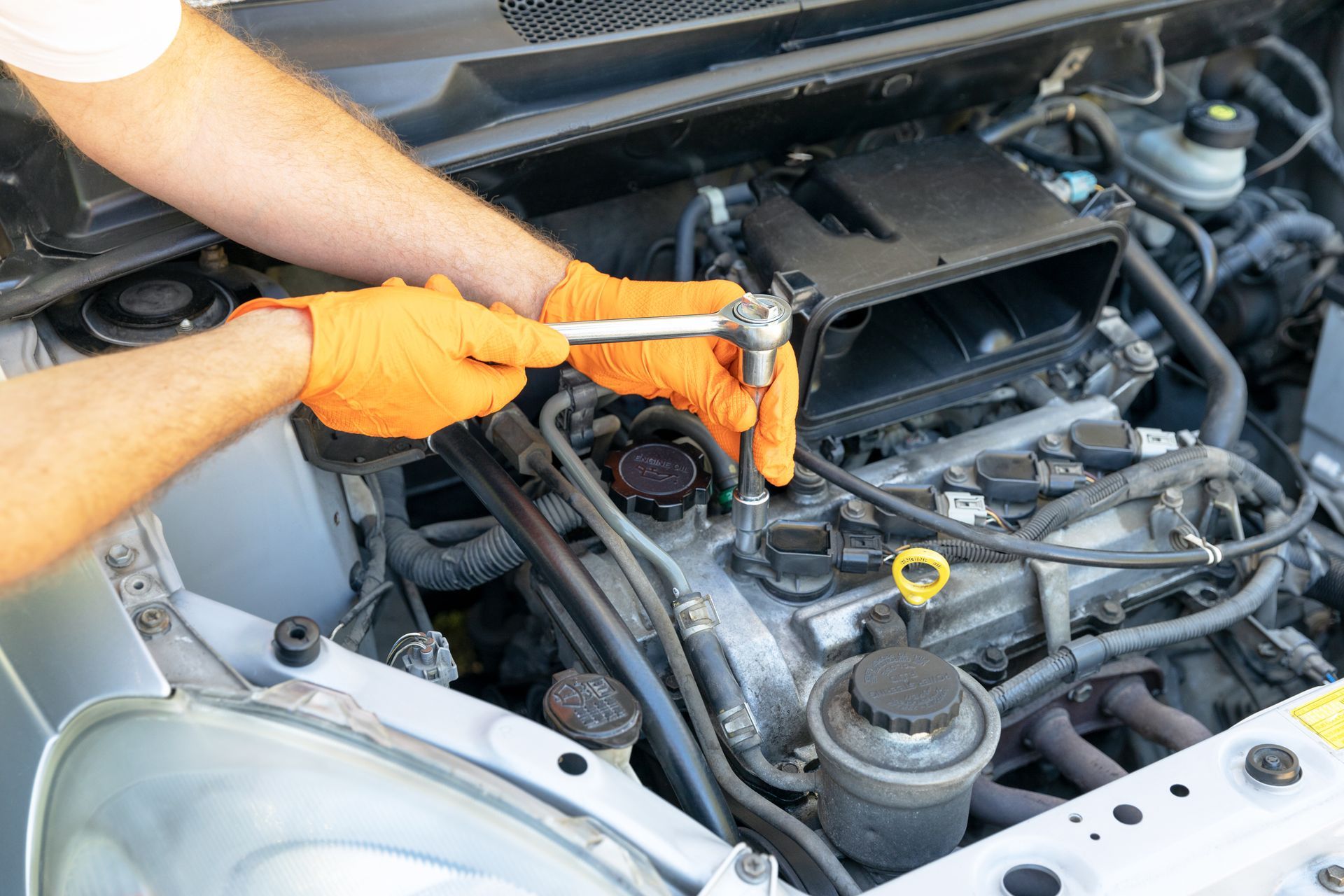
Vehicle maintenance belongs in that preparation. A weak battery creates starting trouble, while brake and visibility problems affect control once you're moving. Addressing those concerns before winter means fewer distractions on a difficult morning.
Winter Vehicle Maintenance at Pete's Service Center
Pete's Service Center in Indianapolis, IN, can review tire, brake, battery, and visibility concerns before winter travel. Bring up any warnings or changes in handling so we can discuss the service your vehicle needs.
Call
Pete's Service Center to schedule winter maintenance before the next slippery commute.